|
In today's world, your website is often the first impression you make on a potential customer. A well-designed and user-friendly website can be a powerful tool for attracting new leads and converting them into loyal customers. However, a poorly designed website with outdated features or confusing navigation can quickly drive visitors away.  Don't let your website be a missed opportunity! Here at Superior Effect Marketing, we specialize in helping businesses create websites that not only look great but also deliver results. We've identified 5 critical elements every website NEEDS to avoid missing out on potential customers:
1. User-Friendly Navigation: Your Website Shouldn't Be a Maze Imagine walking into a store where you can't find the products you're looking for. That's exactly what happens when visitors land on a website with confusing navigation. A clear and organized site is crucial for keeping visitors engaged. Your main points should be easy to find and understand. Use clear labels for each item, and avoid overloading with too many options. Organize your website content in a logical way. Visitors should be able to navigate from one page to the next without getting lost. A website search bar allows visitors to quickly find the information they're looking for, especially if your website has a lot of content. 2. Mobile Responsiveness: Your Website Needs to Be Mobile-First Think about it: how often do you browse the internet on your phone? In today's mobile-first world, it's essential that your website is responsive. This means your website automatically adjusts its layout and design to fit the screen size of any device, whether it's a desktop computer, a tablet, or a smartphone. A non-responsive website could suffer in search engine rankings, making it harder for potential customers to find you online. A responsive website provides an easier user experience for visitors on all devices. This means no pinching and zooming, no scrolling sideways, and a frustration-free browsing experience, regardless of the device used. Studies show that users are more likely to abandon a website that is not mobile-friendly. By ensuring your website is responsive, you'll keep visitors engaged and increase the chances of them converting into leads. 3. Compelling Content: Your Website Should Be More Than Just Text Your website content plays a critical role in attracting and engaging visitors. Dense blocks of text and outdated information won't do much to capture attention. Instead, you need to create compelling content that informs, educates, and inspires visitors to take action. In order to create some compelling website content, keep your website content fresh and up-to-date. Regularly publish new blog posts, articles, or case studies that demonstrate your expertise and provide value to your audience. People are visual creatures. Break up your text with engaging visuals like high-quality images, infographics, or videos. This will make your website more visually appealing and keep visitors engaged for longer. 4. Search Engine Optimization (SEO): Get Found Online In today's competitive online landscape, it's not enough to just have a website. You need to make sure potential customers can find you online. Search engine optimization (SEO) is the process of optimizing your website to rank higher in search engine results pages (SERPs). Superior Effect Marketing can help you with SEO by: Keyword Research: We'll identify the keywords and phrases your target audience is searching for online and optimize your website content accordingly. On-Page Optimization: We'll ensure your website is technically sound and optimized 5. Conversion Optimization: Is your website turning visitors into leads or sales? Imagine your website as a store: You want visitors to browse your products (information or services), but you also want them to take something home (become a lead or customer). Conversion optimization is like making your store layout easy to navigate, highlighting the best products, and providing a clear checkout counter. Ready to take your website from "meh" to "magnet" for potential customers? Contact us and relieve the stress of creating and navigating your website for your business.
0 Comments
At Superior Effect Marketing, we understand the hustle. You're crushing it, the phone's ringing off the hook, and your calendar is booked solid. Business is booming! But here's the thing: just because you're busy today doesn't mean you're set for tomorrow. That's why marketing remains crucial, even when you're swamped with happy clients.  Here's why you should keep marketing at the forefront, even during peak times:
Even with a packed schedule, you can still prioritize marketing. Here are some tips:
At Superior Effect Marketing, we understand the unique challenges of busy businesses. We can help you develop a strategic marketing plan that fits your needs and keeps your lead pipeline flowing, even when you're at your busiest. Contact us today to discuss how we can help your business thrive! The world of social media has become saturated. Every day, over 1.1 billion pieces of content flood platforms like TikTok, YouTube, Facebook, Instagram, and LinkedIn. With such an overwhelming amount of information competing for attention, it's easy to feel like your content is drowning in a sea of noise. But don't despair! We’re never going to tell you to ditch your social media efforts. Instead, we'll help you identify and eliminate common time-wasting practices that hinder your success and equip you with strategies to maximize your social media impact. 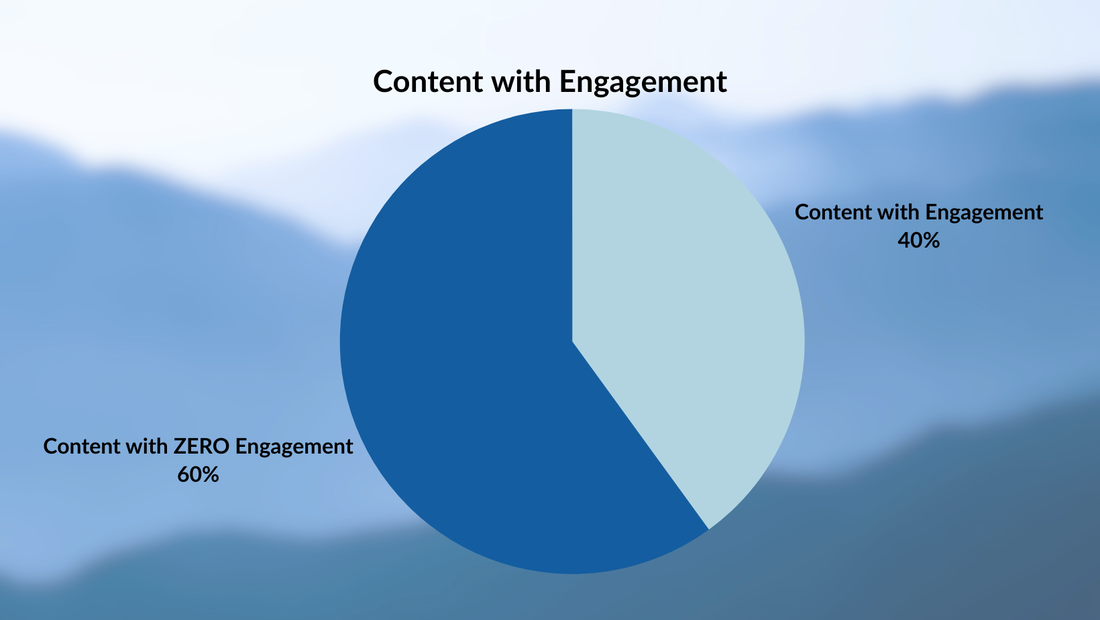 The Reality of Social Media:
7 Powerful Strategies to Elevate Your Social Media Game:
Live streaming across platforms like Instagram, YouTube, Facebook, and LinkedIn has proven to be a powerful engagement booster. Leverage this real-time connection to foster deeper interactions and build stronger relationships with your audience. Remember, social media is a powerful tool, but it requires a strategic approach to succeed. By eliminating time-wasting practices and implementing these effective strategies, you can transform your social media presence from a silent voice in the crowd to a thriving hub of engagement and brand growth. Ready to take your social media game to the next level? Superior Effect Marketing is here to help. Contact us today and let's craft a winning social media strategy that delivers real results for your brand.  There is no doubt that social media has taken the 21st century by storm. With that has brought a new era of marketing. The impact of social media marketing can be hard to grasp considering social media itself is relatively new. Here are a few statistics to help make things clear: 91% of Americans are active on social media, the average American interacts with 6.6 social media platforms, PLUS they spend on average 2 hours and 24 minutes on social media a day. With so much time spent social networking, why wouldn’t you want to utilize this platform to market your business? At Superior Effect Marketing, we focus on building meaningful connections and fueling conversations that matter on our partners social media platforms that work for their targeted audience. Whether it's crafting heartwarming stories or sparking interactions, we make social media a place where brands come to life and audiences feel engaged. So, how do we do it? Let’s get into it. 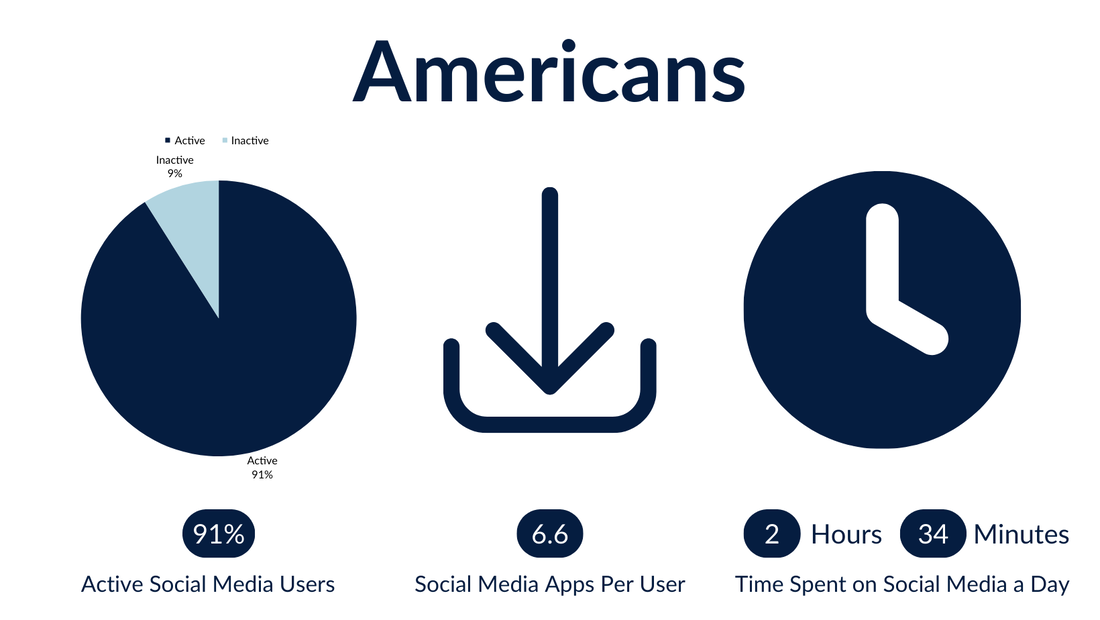 Know Your Audience, Define Your Mission:
Before diving into social media, it's crucial to understand who you want to reach and what you want to achieve. What are their online habits, interests, and demographics? Once you understand your target audience, define your goals. Do you want to raise brand awareness, drive website traffic, generate leads, or boost sales? Knowing your "why" will guide your content creation and measurement tactics. Find Your People, Choose Your Platforms: Not all social media platforms are created equal. While Facebook boasts a massive audience, remember:
Content, Content, Content: Forget the sales pitch overload. Today's social media users crave valuable, informative, and entertaining content. Share industry insights, offer a peek behind the scenes, showcase customer success stories, encourage user-generated content, and design visually captivating graphics. Remember, quality matters! Consistency and Responsiveness are key: Building a thriving social media presence requires regular engagement. Develop a content calendar to maintain consistent activity, and respond promptly to comments and messages. Show your audience you care, and they'll reward you with loyalty. Boost Your Impact with Paid Advertising: Organic reach can be a tricky beast. Consider allocating a budget for targeted paid advertising campaigns. Reach a wider audience, promote specific content, and drive desired actions like website visits or lead generation. Remember, a strategic investment can reap significant rewards. Data-Driven Decisions: Track and Analyze: Social media platforms offer a treasure trove of analytics tools. Track metrics like reach, engagement, website traffic, and conversions to understand what's working and what needs improvement. Use this data to refine your strategy and optimize your content for better results. Data is your friend, listen to it! Hashtag Hero: The Power of Discovery: Don't underestimate the power of the hashtag! They act like signposts, helping users discover your content. Research and use relevant hashtags for your industry, location, and campaigns to increase your visibility in search results. Get creative, but stay relevant! Stay Ahead of the Curve: Embrace New Trends: The social media landscape is a dynamic one. Stay informed about new features, algorithm changes, and emerging trends. Keeping your approach fresh and engaging is key to staying ahead of the competition. Be an explorer, not a follower! The fact is: social media isn’t going anywhere. It’s time to capitalize and market on these platforms. But, don’t forget building a successful social media presence takes time and dedication. By implementing these strategies and consistently providing value to your audience, you can harness the power of social media to achieve your business goals and connect with your target audience in a meaningful way. Superior Effect Marketing is here to guide you on this journey. Contact us today, and let's unlock the full potential of social media for your brand! In today's world, where environmental consciousness is not just a trend but a necessity, you have a golden opportunity to make a significant impact. Building a business that thrives economically and contributes positively to the environment is a noble and achievable goal. This Superior Effect Marketing guide walks you through developing a business and marketing plan that aligns with green principles. That way, your venture will stand out as a beacon of sustainability and responsibility.  Investing Wisely in Sustainability
Your first step toward a greener future is consciously investing in eco-friendly initiatives. This means diverting your resources toward renewable energy sources, adopting energy-efficient technologies, and opting for sustainable materials in your operations. These choices aren't just good for the planet; they're also a powerful marketing tool. By publicizing your commitment to these initiatives, you're showcasing your business's responsibility and appealing to the growing market of environmentally conscious consumers. Building Relationships with Like-Minded Suppliers The choices you make in your supply chain are crucial. Collaborate with suppliers who are equally committed to environmental sustainability. Choosing partners who prioritize eco-friendly materials and practices ensures your business's green mission is coherent and comprehensive. Publicizing your suppliers' sustainable practices boosts your business's transparency and strengthens your brand's integrity, appealing to a customer base that values ethical consumption. The Power of Location: Embracing Walkability The location of your business plays a subtle yet significant role in its environmental impact. Opting for a location in a walkable area aligns with your green mission and reduces the carbon footprint associated with commuting. This choice benefits the environment and enhances the local appeal and accessibility of your business, fostering a stronger connection with the community. Opt for a location with a high Walk Score to attract more foot traffic and inspire your employees to try out nearby businesses on their breaks. Integrating Green Practices in Daily Operations Incorporate sustainable practices into the very fabric of your business operations. From implementing comprehensive recycling programs to reducing water usage, every small step counts. Utilize social media platforms to share these initiatives, not just as a marketing strategy, but as a testament to your genuine dedication to environmental stewardship. This transparency not only builds trust with your customers but also sets a precedent in your industry. Leveraging Social Media for Environmental Education Utilize your social media presence to educate and engage with your audience on environmental issues. This platform provides an unparalleled opportunity to raise awareness about sustainability and inspire your followers to adopt eco-friendly habits. Through informative and engaging content, you can cultivate a community of like-minded individuals who are not just customers but also advocates for your green initiatives. Agencies like Superior Effect Marketing can handle all your social media marketing needs! Marketing Eco-Friendly Products: Beyond the Green Label In developing and marketing your products or services, ensure that they are environmentally friendly and meet the evolving needs of your consumers. Your marketing materials should highlight the eco-friendliness of your offerings and the tangible benefits these bring to the consumer and the environment. This approach ensures that your products are not just seen as green alternatives but as superior choices in terms of quality and impact. The Bottom Line As you embark on this journey of building a green business, remember that every choice you make can create a positive impact. Your commitment to sustainability is not just a business strategy; it's a pledge to future generations. By integrating these principles into your business and marketing plan, you're not just growing a business but cultivating a legacy of responsibility and environmental stewardship. We support all entrepreneurs and those that embrace this opportunity to lead the green revolution and set a standard for others to follow. You’ll create a brighter, more sustainable future for all along the way.  The Algorithm Whisperers: Why REO is Rising While SEO ReshufflesThe digital marketing landscape is a fickle beast. Just when you think you've mastered the art of search engine optimization (SEO), the algorithms shift, leaving you scrambling for traction. But fear not, savvy marketers! A new hero emerges from the chaos: Recommendation Engine Optimization (REO). While SEO is still the master of the search query, REO is the silver-tongued charmer whispering your brand's secrets directly into the ears of potential customers. So, why the buzz around REO? Buckle up, because it's about to redefine online visibility:  1. Algorithmic Roulette: Remember when SEO felt like a surefire path to the top of the SERP? Those days are fading. Search engine algorithms are constantly evolving, leaving businesses in a perpetual game of catch-up. REO, on the other hand, thrives within the curated ecosystems of platforms like Amazon and YouTube. Master their recommendation algorithms, and you'll become the trusted confidante, guiding users straight to your brand.  2. From Clicks to Champions: SEO gets you traffic, but REO builds loyalty. By optimizing product listings and leveraging positive reviews, you turn customers into brand advocates. Their whispers become your megaphone, amplifying your reach and propelling you beyond the fleeting wins of SEO.  3. Choice Overload in the Algorithmic Aisle: Today's consumers are drowning in a sea of options. Standing out on search results pages is like shouting in a crowded marketplace. REO throws you a life preserver. By optimizing your placement within recommendation engines, you become the beacon in the chaos, cutting through the noise and leading users directly to your doorstep.  4. Trust: The New Currency of Conversion: Forget clickbait headlines and keyword stuffing. In the age of algorithmic curation, trust is the golden goose. REO builds trust by leveraging positive recommendations and social proof. It turns you from a faceless brand into a trusted neighbor, and that, my friends, is the key to unlocking sustained conversions. Superior Effect Marketing: Your REO Architects
So, how do you harness the power of REO and turn those whispers into a chorus of brand champions? That's where we come in. We're the algorithm whisperers, the architects of online trust, and the maestros of crafting irresistible REO strategies. We'll:
SEO isn't fading, it's evolving. The future of online visibility is about more than just ranking high in search. It's about becoming the whispered secret, the recommended choice, the brand on everyone's lips. At Superior Effect Marketing, we're ready to guide you into this exciting new era. Shift from the SEO scramble and embrace the REO revolution. Contact us today, and let's turn your brand into the hottest topic in the algorithmic aisle. Remember, Superior Effect Marketing: We don't just get you seen, we get you recommended. Make the Most of the Year Ahead: Strategic Goal Setting and Unleashing Your Marketing Mojo in 20241/5/2024 
From Fuzzy Dreams to Laser-Focused Objectives: Do you get that fuzzy, warm feeling while brainstorming exciting marketing ideas? It's exhilarating! But without clear, measurable goals, it's like using GPS to get you to an address that hasn’t been entered. So, let's transform those dreams into SMART objectives: 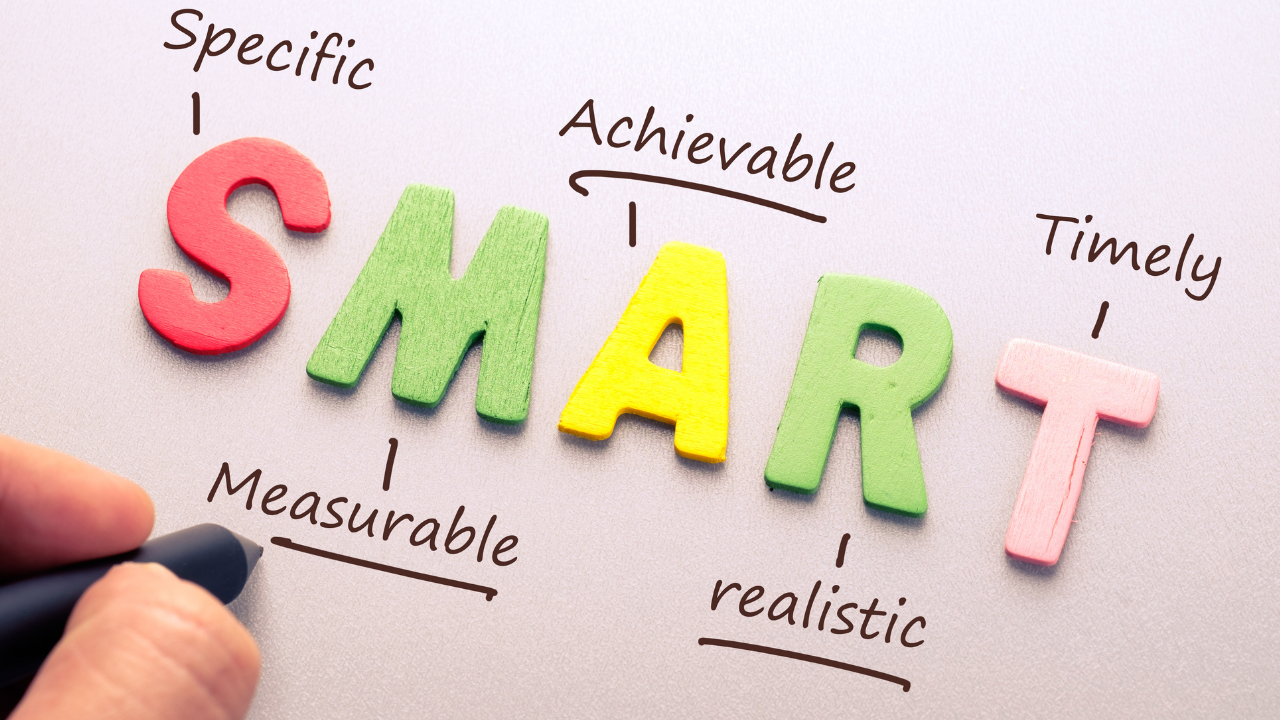
Charting Your Course: Goal-Setting Framework for Marketing Success: Now, let's dive deeper into specific tactics for crafting a winning goal-setting roadmap:
Beyond Measurable: The Power of Inspiration: Goals are essential, but remember, marketing is also about sparking emotion and igniting imaginations. So, while you're setting SMART objectives, don't forget to:
Your 2024 Success Awaits: As the year unfolds, remember, this is your journey. Track your progress, adapt your strategies, and stay inspired. With focused goal setting and a sprinkle of creative magic, you can transform your marketing efforts into a masterpiece that resonates with your audience and fuels your brand's success. So, grab your brushes, unleash your marketing mojo, and paint your 2024 in vibrant hues of triumph! Superior Effect Marketing’s Goals We practice what we preach! One of our BIG goals in 2024 is to rebuild our website! The same struggles many businesses face also affects us. Our team gets so wrapped up in marketing our clients, that our own marketing needs tend to get put to the back burner. But in order to grow, we know we need to dedicate time and resources to stay cutting edge, and not just exist. It’s important to take stock of what barriers impact any business, and to clearly identify how to overcome them. For us, it’s really a matter of scheduling. If it’s on our calendar, it’ll get done. The thing is, we just never carved out a specific time to rebuild our own website. That changes in 2024, and we can’t wait to share the finished product with you! P.S. Want to take your goal setting to the next level? Reach out to us! We'd love to be your partner in crafting a marketing strategy that ignites your brand and sets you on course for an exceptional 2024. What New Business Owners Need to Know About Picking the Right Structure for Their Startup12/15/2023 When you're starting a business, one of the first decisions you'll have to make is what type of business entity to establish. This decision can have significant tax and personal liability implications, so it's important to choose carefully. The most common business structures are sole proprietorships, partnerships, limited liability companies (LLCs), and corporations. Today, Superior Effect Marketing shares some important info you need to know before selecting a structure for your upcoming business.  Business Structures for Entrepreneurs
While there are several types of business entities you can choose from, these are four of the most common for emerging entrepreneurs: ● Sole Proprietorship: A sole proprietorship is the simplest and most common type of business structure. It's an unincorporated business owned and operated by one person with no distinction between the business and the owner. The owner has complete control over all aspects of the business and is personally liable for all debts and obligations taken on by the business. ● Partnership: A partnership is an unincorporated business owned and operated by two or more people. Partnerships can be either general or limited. In a general partnership, all partners are equally liable for the debts and obligations of the business. In a limited partnership, there is at least one general partner who is liable for the debts and obligations of the business, while the other partners are only liable up to the amount of their investment. Limited partnerships are often used by businesses that need to raise capital from investors. ● Limited Liability Company (LLC): An LLC is a hybrid legal entity that combines features of both a corporation and a partnership. Like a corporation, an LLC offers its owners limited liability protection from debts and obligations incurred by the business. Like a partnership, an LLC has pass-through taxation, meaning that profits and losses are "passed through" to the owners' personal income tax returns. LLCs can be owned by one or more individuals, corporations, other LLCs, or foreign entities. Before registering, it’s crucial to learn the ins and outs of C Corp vs LLC to ensure that you have sufficient liability shielding. ● Corporation: A corporation is a legal entity that is separate and distinct from its owners. Corporations are owned by shareholders and managed by a board of directors. Shareholders elect directors to oversee the management of the corporation and make major decisions on behalf of the company. Corporations offer their shareholders limited liability protection from debts and obligations of the business. Profits earned by the corporation are subject to corporate income tax, while dividends paid to shareholders are subject to personal income tax. Considerations for Picking a Structure When choosing a business structure, there are several factors you should take into account, including: ● Liability protection: How much personal liability are you willing to assume? ● Taxation: How will your business be taxed? ● Formality: How formal do you want your business operations to be? ● Ownership: Who will own your business? ● Location: Where will your business be located? ● Duration: How long do you plan on being in business? Registering Your Business Once you've chosen a business structure, you'll need to register your business with your state government. You can do this online or in person at your local Secretary of State office. The process typically takes less than an hour and involves filing some paperwork and paying a filing fee. Once your registration is complete, you'll be issued an identification number that you'll use when filing your taxes each year. You may also need to obtain a federal Employer Identification Number (EIN) from the IRS if you plan on hiring employees. Create a Logo Designing a logo for your brand or business doesn't have to be time-consuming or expensive. Thanks to a range of online tools available today, you can create a professional and visually appealing logo for free within minutes. Online tools provide a wide array of templates, fonts, and icons that can be customized to suit your brand's personality and message. By using these tools, you can achieve massive time efficiencies, as they eliminate the need to learn complex design software or hire a professional designer. You can experiment with different designs until you find the one that best represents your brand, all without leaving your web browser. Staying Organized Once your business is up and running, it's important to stay organized so that you can keep track of your finances and comply with government regulations. There are several software programs available that can help you manage your finances and stay compliant with tax laws. QuickBooks is one popular option that offers bookkeeping, invoicing, tax preparation, payroll, and other features specifically designed for small businesses. Another option is Xero, which offers similar features but with a focus on online collaboration between businesses and their advisors (e.g., accountant). Regardless of which software program you choose, staying organized will save you time and money in the long run. Marketing Your New Business Content marketing can be a cost-effective tactic for marketing your new business. It involves the creation and sharing of online material, such as blogs, social media posts, and videos, that does not explicitly promote a brand but is intended to stimulate interest in its products or services. This approach can be significantly less expensive than traditional advertising channels, while often providing a higher return on investment. By consistently delivering valuable information to potential customers, you can build trust and brand loyalty, which can lead to increased sales over time. Furthermore, content marketing can also improve your search engine rankings, making your business more visible to potential customers online. For more hands-on marketing help, contact Superior Effect Marketing today! Think Before Choosing Choosing the right business structure for your startup is an important decision. There are several factors to consider, including liability protection, taxation, formality, ownership, location, and duration. Once you've chosen a structure, you'll need to register your business with your state government. And finally, once your business is up and running, it's important to stay organized so that you can keep track of your finances and comply with government regulations.  The ever-evolving Google algorithm presents both a challenge and an opportunity for marketers. While understanding its intricacies can be complex, staying informed about its latest updates and trends is crucial for ensuring your brand remains visible in search results. Staying on top of Google’s algorithm will always be our top priority to provide our partner's success while maximizing ROI! Let's dive into the key takeaways from Google's recent transparency efforts and explore how we, as marketers, can leverage them to our advantage.
Understanding Google's Ranking Factors: Google uses a complex system of algorithms and machine learning models to rank websites. These factors, often referred to as ranking signals, are constantly evolving, making it necessary for us to stay updated. The most important ones include:
Google heavily relies on user click data to evaluate its ranking results. Understanding how users interact with your website and search results can provide valuable insights for optimization. This data can help you identify:
Personalization and the User Journey: Google personalizes search results based on individual user data and past behavior. This means understanding user journeys and tailoring your content to specific needs and preferences becomes crucial for effective marketing.
Harnessing the Data Network Effect: Google's success, in part, is attributed to the "data network effect." This principle states that the more data Google collects, the better its algorithms become at understanding user intent and delivering relevant results. This creates a powerful feedback loop where quality data leads to improved algorithms, which in turn attracts more users and generates more data. We, as marketers, leverage this concept by:
 As we approach the end of 2023, it's a crucial time for businesses to reflect on their progress and plan strategically to finish the year on a high note. With evolving trends in brand management, SEO, seasonal sales, and paid advertising, it's vital to leverage the latest tools and strategies to maximize your business's potential. So, are you wondering how to end your year with a BANG? Let’s get into it.
Brand Management is the key to success. Before getting into the nitty-gritty of marketing, it's important to emphasize the significance of a powerful brand management strategy. Your brand is the soul of your business, capturing its values, mission, and unique selling point is crucial! Without a clear and defined brand strategy, any marketing efforts might be for nothing. Take the time to take a look at your brand identity, ensuring that it resonates with your target audience. With generative search and AI being widely available, a strong SEO strategy is essential. As search engines become more intuitive, it's important to optimize your online presence to ensure your business ranks well in search results. Use relevant keywords, create high-quality content, and focus on user experience to enhance your website's visibility. Don’t forget to keep a close eye on emerging SEO trends to stay ahead of the curve. The holiday shopping season is here, presenting a perfect opportunity for businesses to capitalize on increased consumer spending. No matter who you’re marketing to, customizing your marketing strategy for the holidays will boost sales! Creating seasonal campaigns, offering exclusive deals, and leveraging the power of social media to engage with your target audience will drive traffic to your business. A well-crafted paid advertising strategy can create immediate results and boost your end-of-year success. Take advantage of targeted advertising across various platforms, such as social media and search engines, to reach a wider audience and increase ROI. Invest in eye-catching graphics and persuasive ads to capture the attention of potential customers. Monitor your ad performance regularly and make necessary adjustments to optimize your campaigns for maximum impact. Get expert help and unleash your full potential. While it's crucial to have a strong grasp of marketing fundamentals, getting help from the experts can increase efforts and ROI! Consider partnering with us because we can provide valuable insights and tailor a customized marketing plan for your specific business needs. Our expert guidance can save you valuable time and resources, allowing you to focus on other critical aspects of your business operations. As 2023 draws to a close, ending your business on a strong note can be done by combining effective brand management, SEO optimization, seasonal sales tactics, and paid advertising prowess. By embracing these tools and strategies, you can set your business up for success and set the stage for a promising start to the upcoming year. Stay proactive, flexible, and committed–it can only lead to success! |


1401 Tower Ave
Suite 302 Superior, Wisconsin USA 715.919.7048
 |
Our ServicesSearch Engine Marketing
Marketing Strategies Brand Design & Development Social Media Marketing Print Collateral Website Design & Development 
|
About Us
|
|

© 2024 Superior Effect Marketing. All Rights Reserved.